
Trust Is the New Interface
Read →
Five systems, five different kinds of consequence: a marketplace at $50B+ GMV, a pharma supply chain six partners depended on, a disaster relief platform built for someone's worst day, a loyalty program earning trust in medical aesthetics, and a five-brand membership platform built to launch in 90 days. All shipped. All still running.
At TinyFish, I wrote the framework for designing trust into agentic systems — how people set intent for agents acting on their behalf, and build enough confidence to rely on the output. I went to product to learn how AI actually works. I came back to design because I missed making things people can feel.







Design patterns for agents that act, not just suggest — verification, oversight, and trust built directly into the interface.
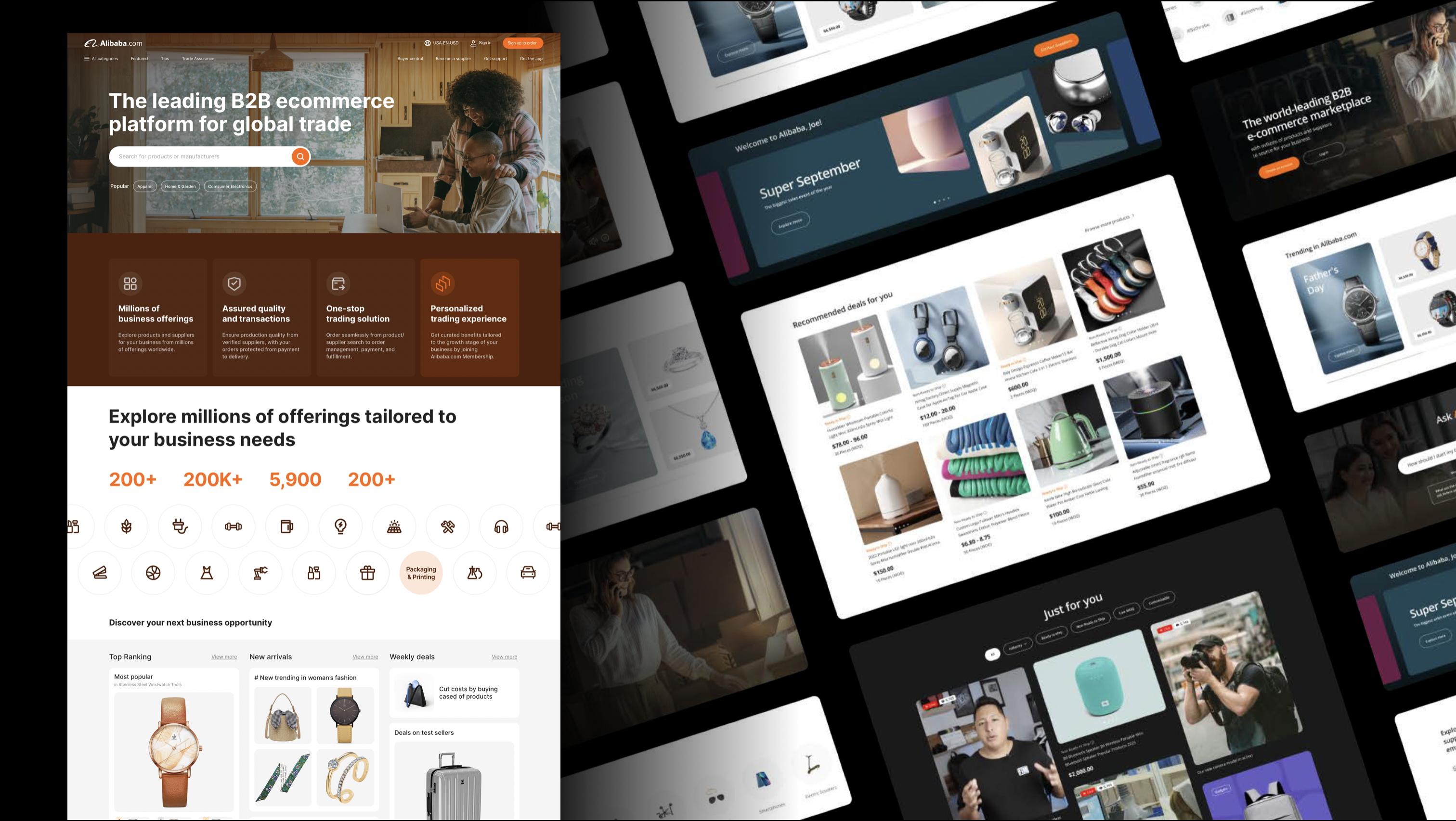
Procurement redesign for 40M buyers at $50B GMV, where payment trust and regulatory variance across markets are the design problem
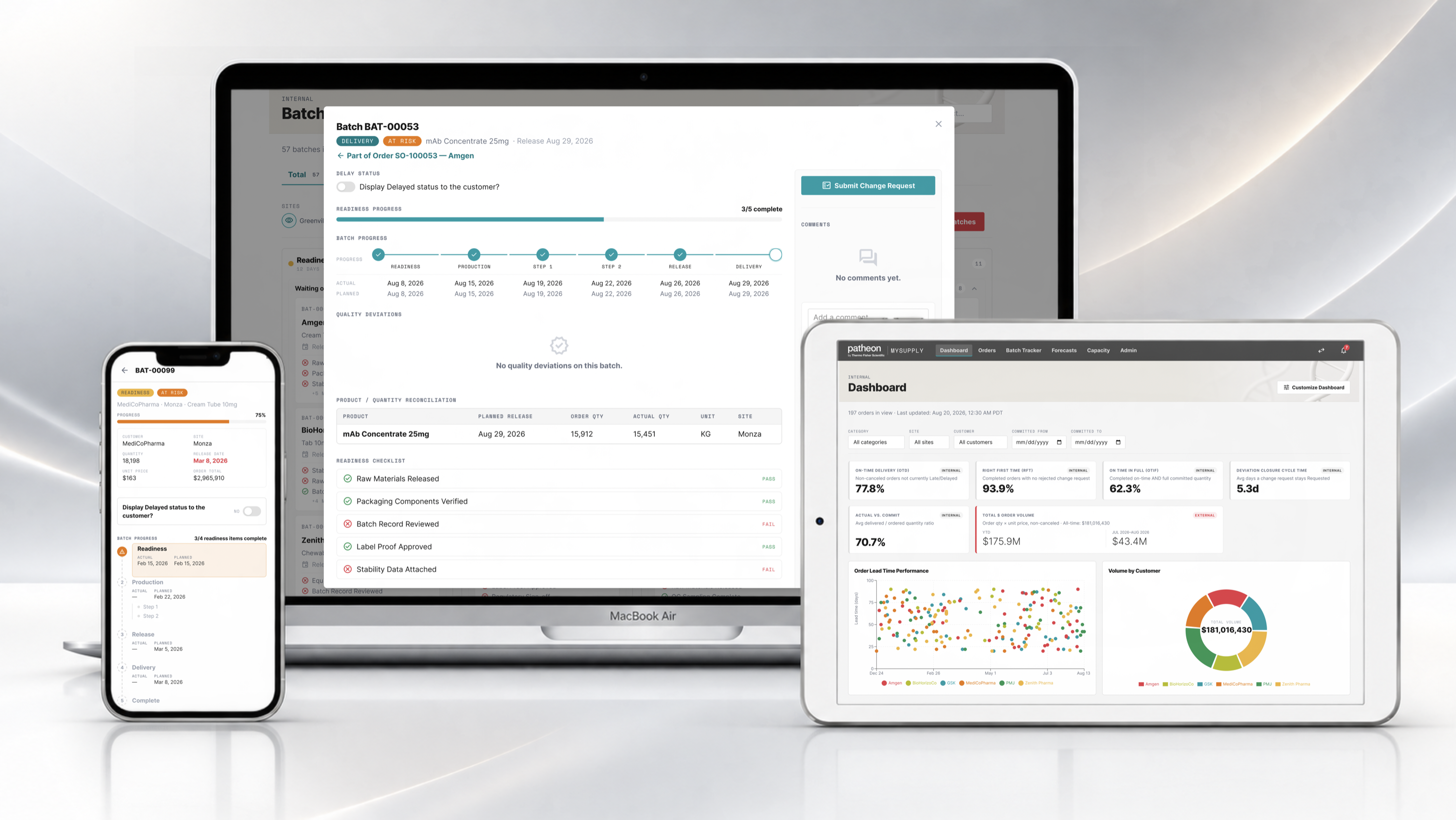
Digital supply chain built from zero inside an organization where every workflow had to displace a process that already worked
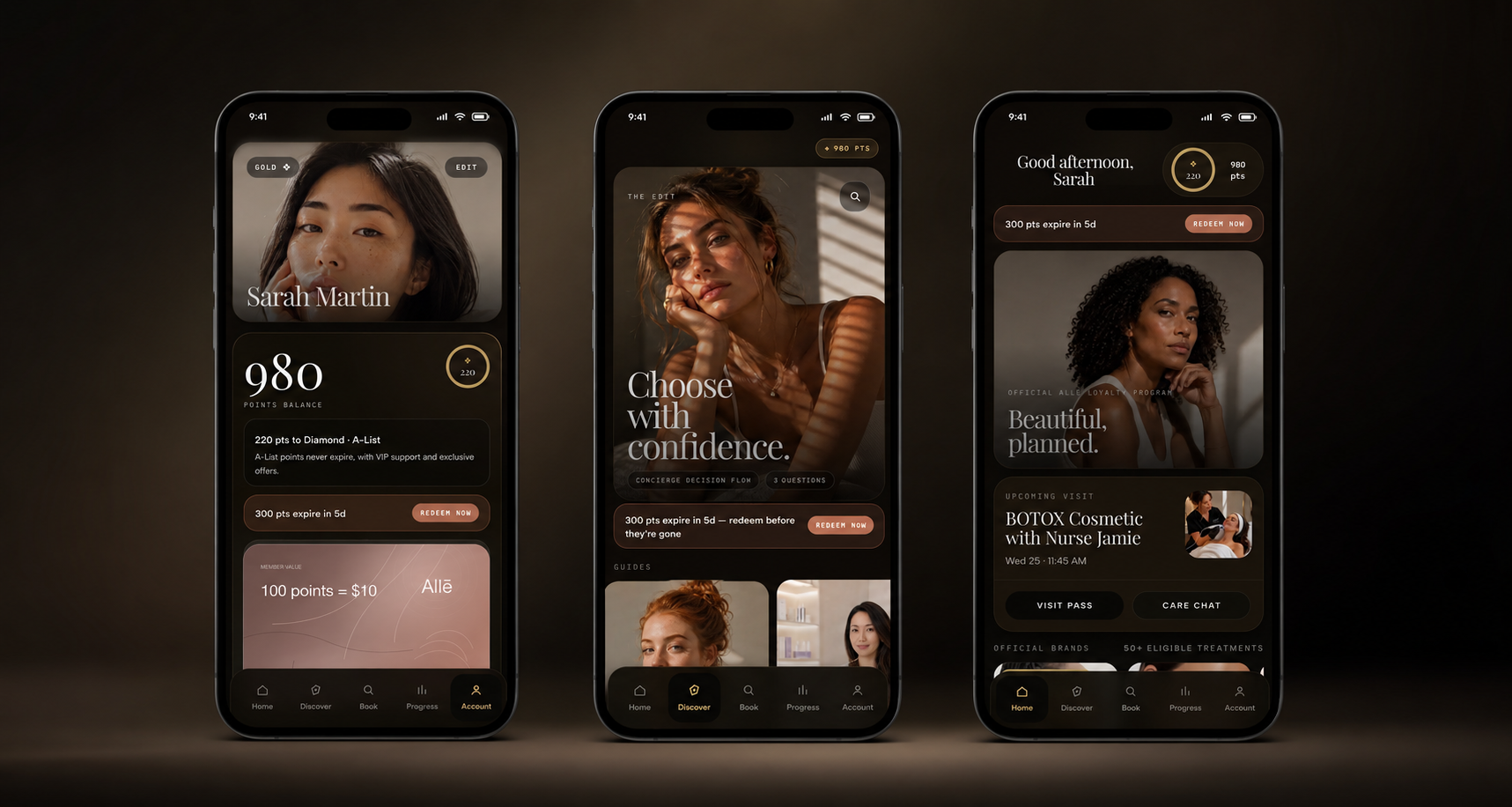
Loyalty redesign for 30M medical aesthetics patients, unifying consumer and provider experiences across a fragmented rewards program
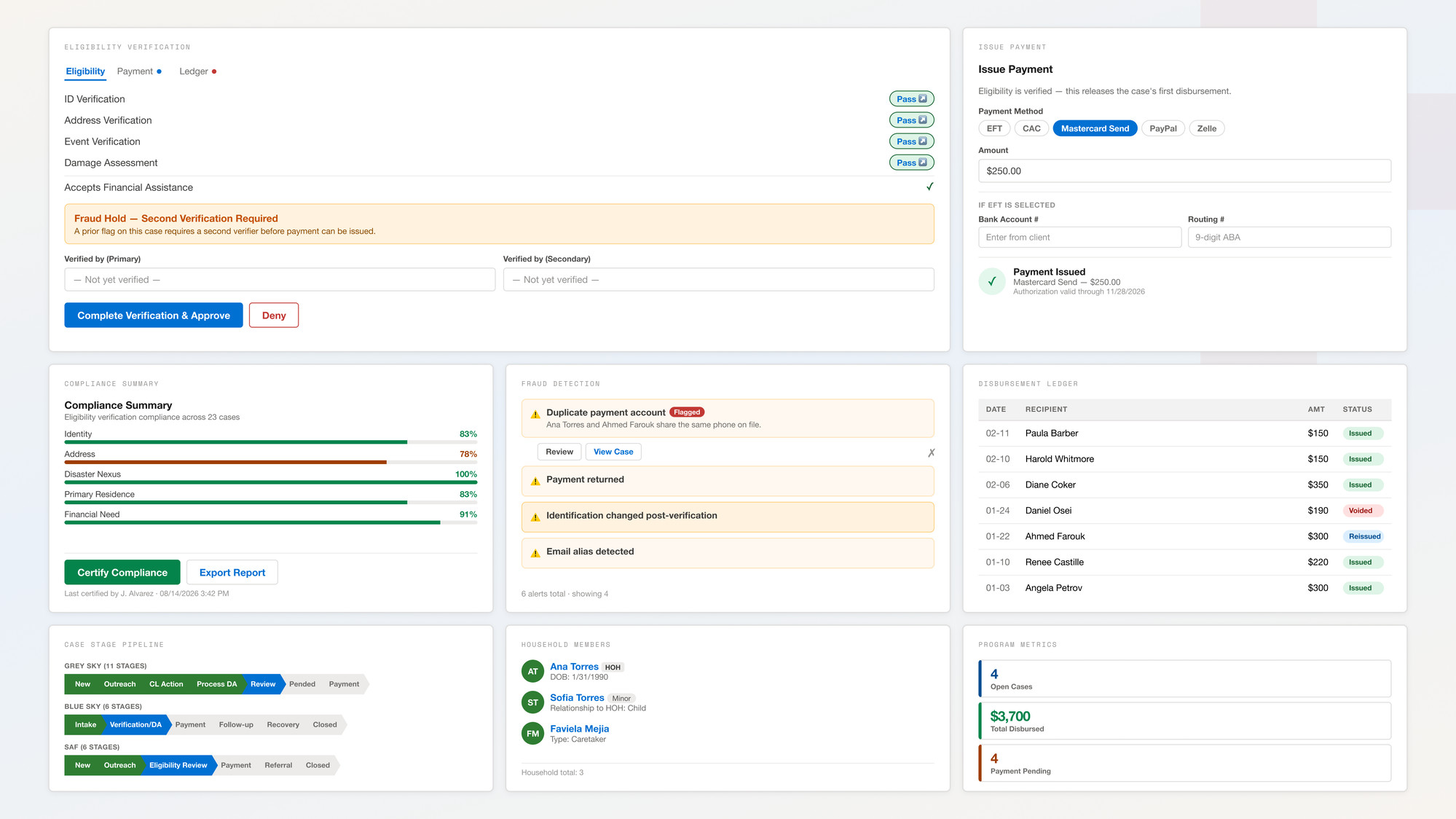
Six legacy systems unified into one crisis-response platform, where downtime means delayed disaster relief and broken compliance chains

Five brands unified into one platform, built from zero to production while preserving what made each brand feel exclusive and distinct